In recent years, the restoration of cast iron cookware has gained significant popularity, signaling a renewed interest in vintage kitchen tools. This resurgence is not merely a practical choice; it reflects deeper societal movements, from sustainability to the nostalgia-charmed aesthetics of cottagecore. By exploring cast iron’s historical significance, cultural trends, and functionality, we uncover why many people today choose to restore vintage pieces instead of buying new ones.
A Historical Perspective on Cast Iron
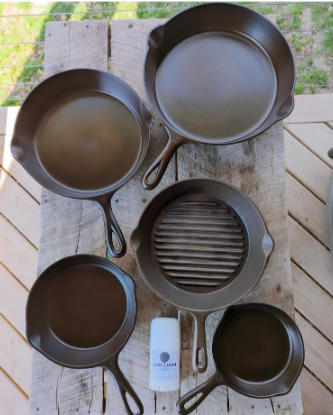
Cast iron cookware has long been a cornerstone of kitchens. In colonial America, kettles and cranes symbolized practicality and resilience, as Abigail Carroll notes in her article, “Of Kettles and Cranes: Colonial Revival Kitchens and the Performance of National Identity.” Cast iron’s durability and versatility made it indispensable in an era defined by self-reliance.
Over time, however, the rise of modern materials like aluminum and non-stick coatings led to the decline of cast iron’s popularity. Yet, the 20th century’s Colonial Revival movement hinted at its lasting cultural significance. This period saw a renewed interest in traditional kitchen tools as symbols of American identity—a trend that continues to inform today’s restoration movement.

The Case for Restoring Cast Iron
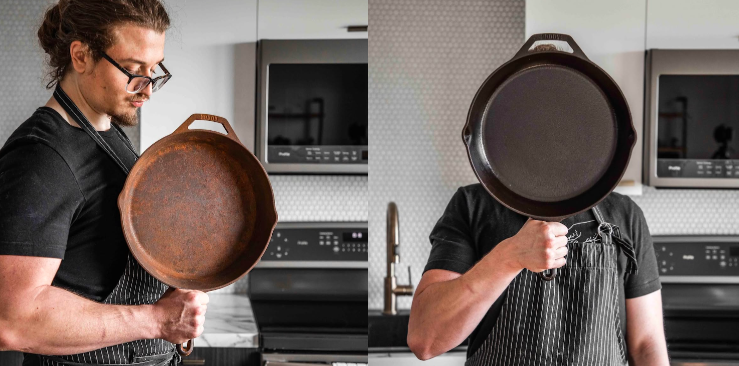
Restoring cast iron offers more than functional benefits; it connects us to a legacy of craftsmanship and tradition. Vintage cookware often carries stories, whether as heirlooms passed down through generations or as treasures rediscovered at flea markets. This emotional connection aligns perfectly with the ideals of the cottagecore movement, which romanticizes a simpler, pastoral way of life.
The restoration process—cleaning, seasoning, and maintaining cast iron—embodies a sustainable concept. In an age of mass production and disposable goods, restoring vintage cookware reduces waste and minimizes the environmental impact of manufacturing new items. The popularity of restoring cast iron reflects a broader shift toward sustainability and mindful consumption.
Vintage cast iron cookware often outperforms its modern counterparts. Older pieces are prized for their smoother cooking surfaces and lighter weight, making them easier to handle and clean. These qualities enhance the non-stick properties of seasoned cast iron, providing a healthier alternative to chemical-laden non-stick coatings. Moreover, their durability ensures they can last for decades with proper care.

Cast Iron and Cottagecore
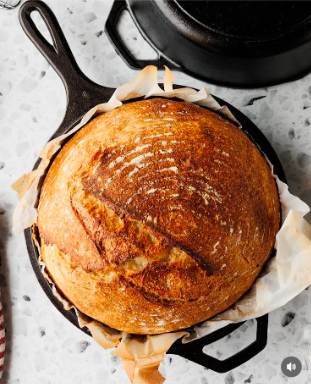
Cottagecore, a lifestyle movement celebrating traditional living and self-sufficiency, has played a significant role in the resurgence of cast iron restoration. Social media platforms like Instagram and Pinterest showcase beautifully restored cast iron skillets and Dutch ovens, often paired with aesthetic backdrops of rustic kitchens or freshly baked bread. This visual storytelling reinforces cast iron’s role as a symbol of authenticity and nostalgia.
As highlighted in “The Shepherdess and Her Followers: History of Turn-of-the-Century England,” the cottagecore movement draws inspiration from pastoral ideals, making restored cast iron a perfect fit for its ethos. Cast iron cookware represents the tangible connection between the romanticized past and practical present, bridging utility with artistry.
Cooking Techniques and Versatility
One of the most compelling reasons for cast iron’s enduring appeal is its versatility. From frying chicken to baking sourdough bread, cast iron accommodates various cooking techniques. Its ability to retain and evenly distribute heat makes it ideal for searing steaks, roasting vegetables, and even baking cakes. Recreating traditional recipes with restored cast iron adds a layer of authenticity, tying culinary practices to historical roots.
While the appeal of cast iron restoration is evident, it is not without challenges. The restoration process requires time, effort, and some skill level, which can deter newcomers. Additionally, sourcing high-quality vintage pieces can be competitive and costly. Finally, some critiques point to the potential romanticization of the past, cautioning against overlooking modern innovations that may suit contemporary lifestyles better.
Conclusion
The resurgence of cast iron restoration is more than a trend; it is a cultural phenomenon rooted in sustainability, nostalgia, and the desire for authenticity. By choosing to restore rather than replace, enthusiasts honor the craftsmanship of the past while embracing environmentally conscious practices. The movement’s connection to cottagecore aesthetics further cements cast iron’s status as a timeless kitchen tool. Whether for its functionality, history, or emotional resonance, the revival of cast iron cookware serves as a testament to the enduring appeal of thoughtful, intentional living.
Sources
Meredith Goad. Portland Press Herald (ME) , September 3, 2014 Food, 9pp, Database: NewsBank
Freedman, Danny. In: The Washington Post. November 1, 2024; The Washington Post Language: English, Database: Gale in Context: Biography
MARLENE PARRISH, Special to the Herald News. Herald News (West Paterson, NJ) , November 5, 2003 TASTE All Editions, 4pp, Database: NewsBank – Archives
Abigail Carroll, “Of Kettles and Cranes: Colonial Revival Kitchens and the Performance of National Identity,” Winterthur Portfolio 43, no. 4 (2009): 335–64, https://doi.org/10.1086/648191.
“The Shepherdess and Her Followers: History of Turn-of-the-Century England.” Doc Studio, 11 Dec. 2021, https://docstudio.org/2021/12/11/the-shepherdess-and-her-followers-history-of-turn-of-the-century-england/.
Cast-iron Restoration Videos From Instagram
https://www.instagram.com/reel/CwyneNMtcY7/?igsh=NWRlMzJkamU2OXNl
 digital Humanities studio